
Dental Implants in Narre Warren, VIC
Missing one or more teeth can affect your ability to chew comfortably, your smile and your confidence. Dental implants in Narre Warren may offer a long-term option for replacing missing teeth and restoring your smile.
At Victor Crescent Dental Clinic, patients can enquire about tooth replacement options and receive advice on the treatment that may suit their oral health needs. Dental implant treatment requires careful assessment of your gums, jawbone, general health and individual goals to determine whether implants are appropriate.
What Are Dental Implants?
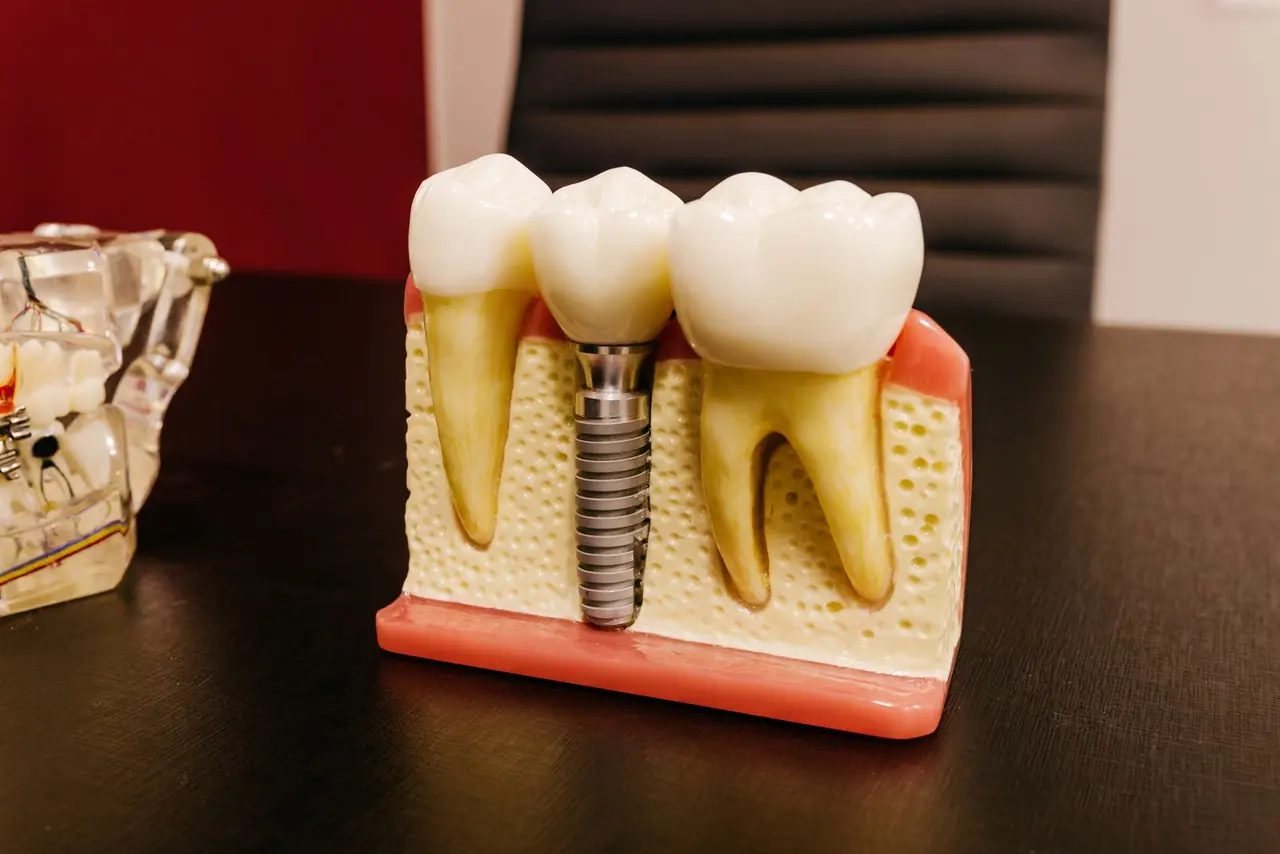
Dental implants are small posts, usually made from titanium, that are placed into the jawbone to support replacement teeth. As the bone heals, it can bond with the implant through a process called osseointegration.
Once the implant has integrated sufficiently, it can support a dental restoration such as a crown, bridge or denture, depending on your treatment plan.
A dental implant replacement generally includes three components:
Implant
The post placed in the jawbone to act as an artificial tooth root.
Abutment
The connector between the implant and the replacement tooth, where required.
Dental crown or other restoration
The visible replacement that restores the appearance and function of the missing tooth or teeth.
Benefits of Dental Implants
Dental implants can provide several benefits for suitable patients:
Appearance
Replacement teeth can be designed to complement your smile.
Chewing function
Implants can support stable replacement teeth.
Support for neighbouring teeth
A single-tooth implant generally does not require adjacent teeth to be prepared as bridge supports.
A fixed tooth replacement
Many implant restorations are fixed in place rather than removed daily.
Jawbone support
Implants can help maintain bone in the area where they are placed, although they do not prevent all bone changes.
The suitability and expected lifespan of an implant depend on factors such as oral hygiene, gum health, smoking, general health and regular professional maintenance. No dental implant can be guaranteed to last a lifetime.
Who Is Suitable for Dental Implants?
Dental implants may be suitable for adults who have lost a tooth or several teeth and want to explore replacement options.
Your dentist will consider factors such as:
- The amount and quality of available jawbone.
- The health of your gums and any history of periodontal disease.
- Your general health and relevant medications.
- Smoking or vaping habits.
- Your ability to maintain good oral hygiene.
- Your bite and the position of the missing tooth or teeth.
Some patients may require additional treatment before implant placement, such as management of gum disease or a bone graft. A detailed examination and appropriate imaging are needed to assess suitability.
Types of Dental Implant Treatments
Single-Tooth Dental Implant
A single implant can support a replacement crown when one tooth is missing. It may be an alternative to a conventional dental bridge, depending on your clinical circumstances.
Multiple Dental Implants
When several teeth are missing, multiple implants may support individual crowns or a bridge. The number and position of implants depend on your bone, bite and treatment goals.
Implant-Supported Dentures
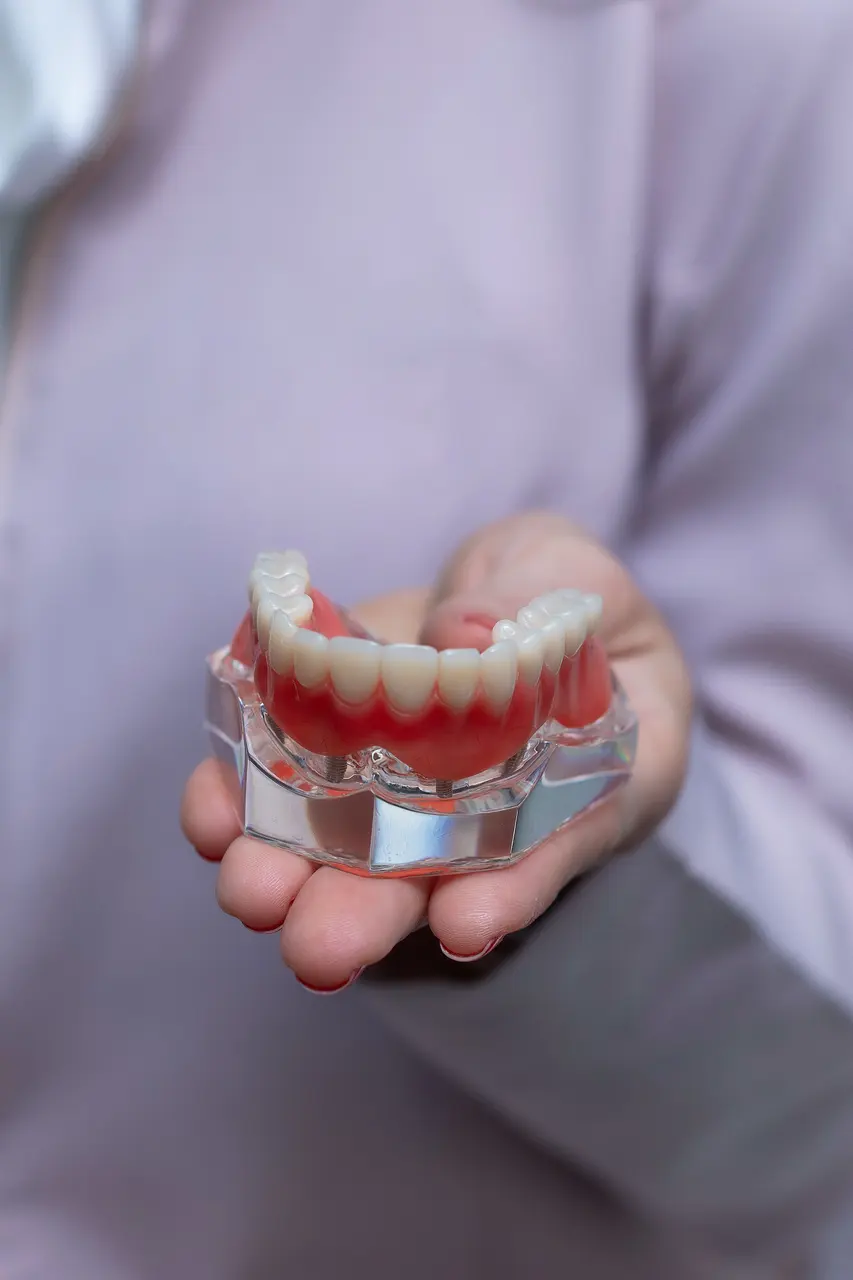
For some patients missing many or all teeth, implants can help stabilise a denture. The treatment design depends on the patient's anatomy and whether the restoration is removable or fixed.
Your dentist can explain which options may be appropriate and whether referral to an implant dentist or specialist is needed.
What Is the Dental Implant Procedure?
Dental implant treatment is usually completed in stages rather than in a single appointment.
- 1
Initial consultation and assessment
Your dentist reviews your dental history, examines your mouth and discusses your goals. X-rays or other imaging may be needed to evaluate the jawbone and plan treatment.
- 2
Personalised treatment plan
Your dentist explains the proposed procedure, the expected timeline, the costs and any alternative options. If additional treatment or specialist care is needed, this will be discussed.
- 3
Implant placement
The implant is placed into the jawbone using an appropriate surgical technique. The procedure is generally performed under local anaesthetic; other options may depend on the clinical setting and your needs.
- 4
Healing and integration
The jawbone needs time to integrate with the implant. The healing period varies depending on the individual, implant site and whether additional procedures are required.
- 5
Placement of the replacement tooth
When the implant is ready to support a restoration, a crown, bridge or denture may be fitted according to your treatment plan.
How Long Does Dental Implant Treatment Take?
Dental implant treatment can take several months from assessment to completion. The exact timeline depends on healing, bone quality, gum health, the need for bone grafting and the type of final restoration.
In selected cases, a temporary tooth may be provided during healing. However, immediate placement or loading is not suitable for everyone. Your dentist will explain the expected stages and timing for your particular case.
Dental Implant Aftercare
Good oral hygiene and regular dental reviews are essential for maintaining dental implants.
After implant placement, follow your dentist's instructions regarding:
- Cleaning the surgical area and surrounding teeth.
- Eating and drinking during the initial healing period.
- Taking any prescribed or recommended medication.
- Avoiding smoking during healing.
- Attending follow-up appointments.
- Cleaning around the final implant restoration every day.
Implants can develop inflammation around the surrounding tissues, known as peri-implant disease. Seek dental advice if you notice bleeding, swelling, discomfort or loosening around an implant.
Dental Implants vs Dental Bridges
Dental implants and dental bridges can both replace missing teeth, but they work differently.
A dental implant is placed in the jawbone and supports a replacement tooth independently of adjacent teeth in many single-tooth cases. A conventional dental bridge fills a gap by using neighbouring teeth or other suitable supports.
The right choice depends on your oral health, bone condition, neighbouring teeth, treatment preferences and budget. Your dentist can explain the benefits, limitations and long-term maintenance needs of each option.
How Much Do Dental Implants Cost in Narre Warren?
The cost of dental implants varies depending on the number of implants required, the type of restoration, the complexity of surgery and whether additional procedures such as bone grafting are needed.
Your treatment plan may involve separate fees for consultations, imaging, implant placement, the abutment, the final crown or bridge, and follow-up care.
For an accurate estimate, arrange an assessment and ask for a written treatment plan outlining the proposed procedures and fees.
Dental Implant Consultation in Narre Warren, VIC
If you are considering dental implants to replace missing teeth, Victor Crescent Dental Clinic can help you enquire about assessment and tooth replacement options in Narre Warren, Victoria.
Discuss your concerns, ask about alternatives and find out whether implant treatment or another restoration may be suitable for your needs.
Contact the clinic to enquire about an appointment and the available treatment options.
Frequently asked questions
Implant placement is generally performed with local anaesthetic to numb the area. Some soreness, swelling or bruising may occur afterwards. Your dentist will provide instructions for managing discomfort and recovering safely.
Dental implants can last many years, but their lifespan varies. Oral hygiene, gum health, smoking, general health, bite forces and regular maintenance can all affect long-term success. The crown or other restoration may need repair or replacement over time.
The process commonly takes several months because the implant needs time to integrate with the jawbone. Additional procedures or individual healing needs may extend the timeline.
Not everyone is an immediate candidate. Your dentist will assess bone availability, gum health, medical history, medications and other factors. Some patients may become suitable after preparatory treatment.
A lack of adequate bone may affect implant placement. Depending on the situation, bone grafting or an alternative tooth replacement may be discussed. Further examination and imaging are needed before making a recommendation.
Neither option is best for everyone. Implants can replace a tooth without preparing neighbouring teeth for a conventional bridge, while bridges may be more suitable in other circumstances. Your dentist can compare the clinical options for your case.
Yes. Multiple implants may support individual crowns, a bridge or an implant-supported denture. The treatment design depends on the number and position of missing teeth and the available bone.
In selected cases, an implant can be placed at the time of extraction. This is not suitable for every patient and depends on infection, bone conditions, gum health and implant stability. Your dentist will determine the appropriate timing.
The visible crown or restoration can be designed to match the shape, size and colour of surrounding teeth. The final appearance depends on the treatment plan, gum condition and individual anatomy.
Brush twice daily, clean between your teeth and around the implant restoration, and attend regular dental reviews. Your dentist may recommend specific cleaning tools based on the restoration.
Cover varies by insurer, policy and the components of treatment. Check directly with your health fund to confirm benefits, waiting periods and exclusions before proceeding.
You can contact Victor Crescent Dental Clinic in Narre Warren, VIC, to enquire about an assessment and discuss suitable tooth replacement options.
Suitability depends on your oral and general health, gum condition and the bone available. A consultation at Victor Crescent Dental Clinic lets the dentist assess you and explain the process, risks and alternatives.
This information is general in nature and does not replace advice from a registered dental practitioner. Suitability, timeframes and outcomes differ between individuals, and all dental treatment carries risk. Your dentist will discuss the benefits, risks and alternatives that apply to you.
Page content last updated .

Book your dental appointment in Narre Warren.
Whether you need a routine check-up, children's dental care or advice about your smile, our team is here to help.
- Clinic
- 3/90-92 Victor Crescent, Narre Warren VIC 3805
- Hours
- Monday to Friday, 9:00 am to 5:00 pm
- reception@vcdentalclinic.com.au