
Tooth Extraction in Narre Warren, VIC
If you have a painful, damaged or infected tooth, a tooth extraction may be recommended to protect your oral health. At Victor Crescent Dental Clinic, we provide dental assessments and tooth extraction services in Narre Warren, Victoria, helping patients understand their treatment options and feel informed throughout the process.
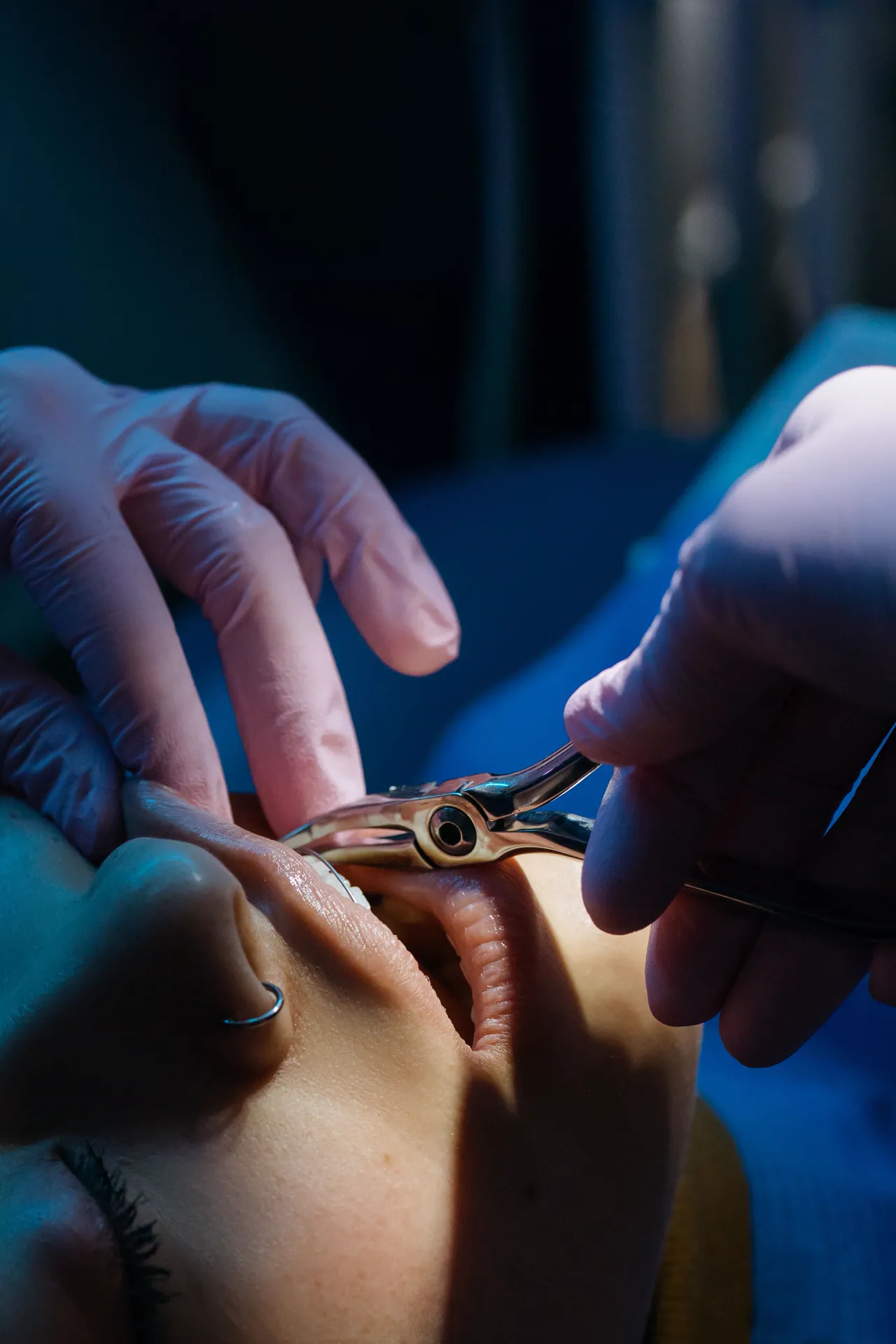
Our dental team assesses your tooth and surrounding gums before recommending an extraction. Whenever possible and clinically appropriate, we may discuss options to preserve your natural tooth.
When Is Tooth Extraction Necessary?
Tooth extraction involves removing a tooth from its socket when it cannot be adequately treated or when removal is needed for your oral health.
Your dentist may recommend a tooth extraction for several reasons, including:
Severe tooth decay
When decay has damaged too much of the tooth for a predictable restoration.
Tooth damage
A tooth that is fractured or broken beyond repair.
Advanced gum disease
When supporting tissues have deteriorated and the tooth cannot be maintained.
Dental infection
When a tooth cannot be saved with appropriate treatment.
Overcrowding
In selected cases, removal may form part of an orthodontic treatment plan.
Problematic wisdom teeth
When wisdom teeth cause pain, infection, damage to nearby teeth or other complications.
Your dentist will explain the reason for the recommended treatment and discuss suitable alternatives where available.
Types of Tooth Extraction
Simple Tooth Extraction
A simple extraction is generally performed when the tooth is visible above the gum line and can be removed without a surgical procedure. Local anaesthetic is used to numb the area, helping minimise discomfort during treatment.
Surgical Tooth Extraction
A surgical extraction may be required when a tooth is broken at the gum line, has not fully erupted or cannot be removed using a simple technique. The procedure may involve an incision in the gum and other steps depending on the tooth's position and condition.
Your dentist will assess your individual needs and explain whether a simple or surgical extraction is appropriate. Some complex cases, including certain impacted wisdom teeth, may require referral to an appropriate specialist.
What to Expect During a Tooth Extraction
Knowing what happens during treatment can help you feel more prepared.
- 1
Dental examination
Your dentist examines the tooth, gums and surrounding area. Dental X-rays may be recommended when needed to assess the tooth's roots and nearby structures.
- 2
Treatment discussion
Your dentist explains why extraction may be necessary, discusses alternatives and answers your questions.
- 3
Local anaesthetic
The area is numbed before the extraction. You may feel pressure or movement during the procedure. Tell your dentist if you feel pain so they can reassess your comfort.
- 4
Tooth removal
The dentist removes the tooth using the appropriate technique and provides instructions to help the extraction site heal.
- 5
Aftercare guidance
You will receive advice about managing bleeding, eating, cleaning your mouth and recognising signs that require follow-up care.
Tooth Extraction Aftercare and Recovery
Good aftercare helps protect the blood clot that forms in the socket and supports healing.
After your extraction, your dentist may recommend that you:
- Bite gently on the gauze provided to help control bleeding.
- Avoid vigorous rinsing, spitting and disturbing the extraction site during the initial healing period.
- Choose soft foods and gradually return to your usual diet as comfort improves.
- Avoid smoking and vaping, which can interfere with healing.
- Follow your dentist's instructions for brushing and keeping your mouth clean.
- Take pain relief only as advised by your dentist or healthcare professional.
Some discomfort, swelling and light oozing can occur after an extraction. Contact your dentist if bleeding does not settle, pain or swelling becomes worse, or you develop a fever or other concerning symptoms. Severe difficulty breathing or swallowing requires urgent medical attention.
Replacing a Missing Tooth After Extraction
Depending on the location of the extracted tooth and your oral health, your dentist may discuss options for replacing it.
These may include:
Dental bridge
A fixed restoration that fills the gap using support from neighbouring teeth or other suitable structures.
Dental implant
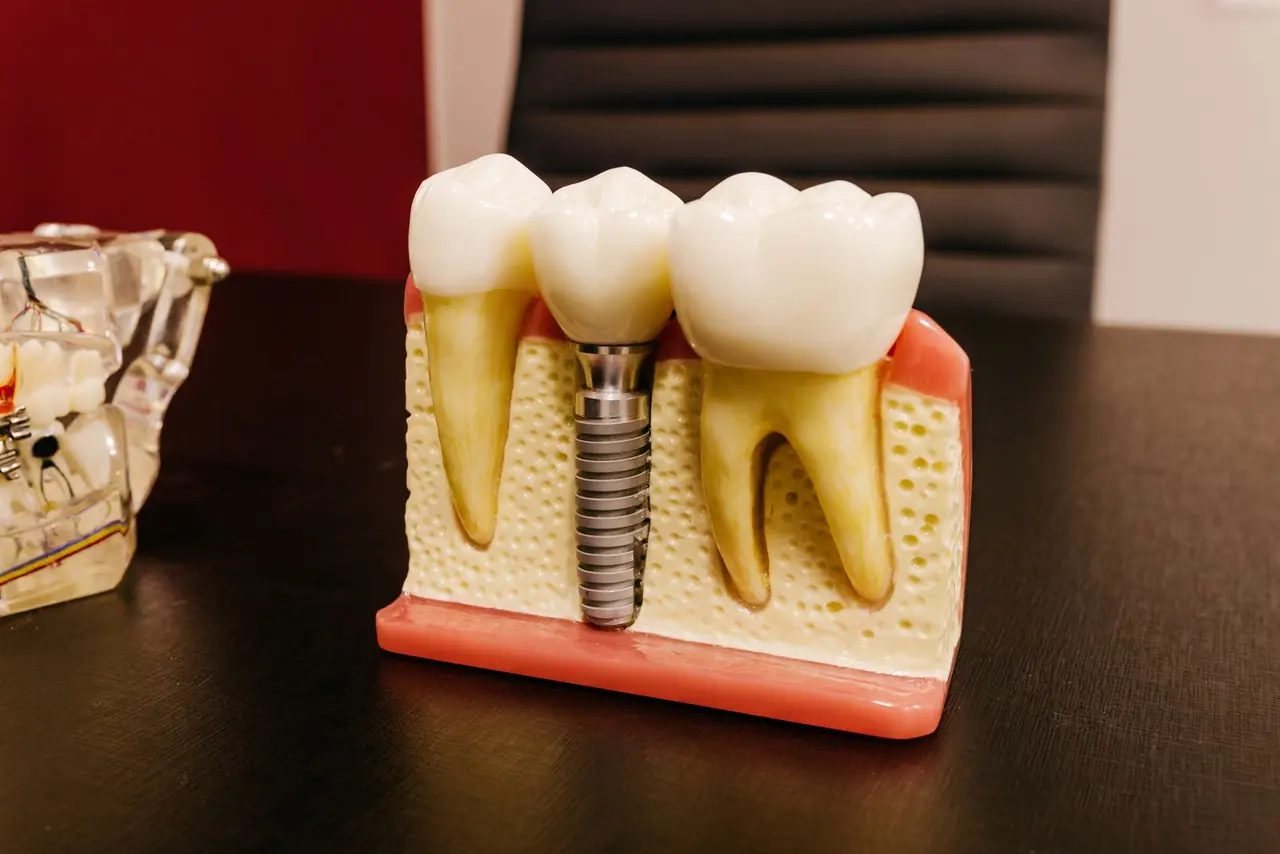
A replacement tooth supported by an implant placed in the jawbone, subject to assessment of your suitability.
Removable partial denture
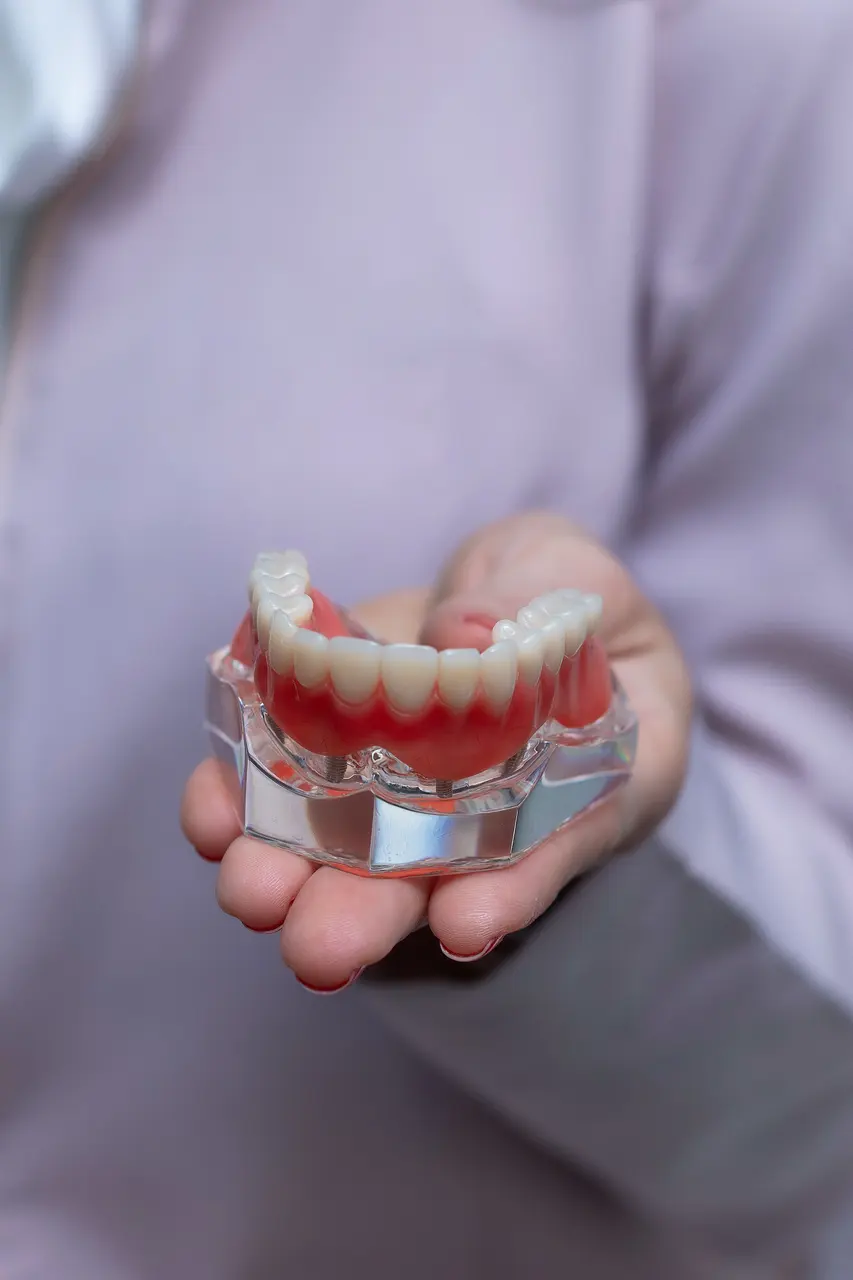
A removable appliance that replaces one or more missing teeth.
Not every extracted tooth needs immediate replacement. Your dentist can explain the benefits, limitations, timing and costs of suitable options for your situation.
Tooth Extraction in Narre Warren and Nearby Suburbs
Victor Crescent Dental Clinic welcomes patients seeking dental care in Narre Warren, VIC, and surrounding areas. If you are experiencing tooth pain, have a broken tooth or have been advised that a tooth may need to be removed, arrange a dental assessment to discuss your options.
Contact Victor Crescent Dental Clinic to enquire about an appointment and find out what treatment may be appropriate for your needs.
Frequently asked questions
Local anaesthetic numbs the area during the procedure. You may feel pressure, but sharp pain should not be expected. Some soreness after the anaesthetic wears off is common and can usually be managed with appropriate aftercare and pain relief advice.
Initial recovery often takes a few days, although healing time varies depending on the tooth, the complexity of the extraction and your general health. Complete healing of the socket takes longer.
Soft foods such as yoghurt, scrambled eggs, mashed vegetables and cooled soup may be suitable initially. Avoid very hot, hard, crunchy or sharp foods that could disturb the extraction site. Follow your dentist's individual instructions.
You can generally continue brushing your other teeth carefully, while avoiding direct disturbance of the extraction site at first. Follow your dentist's instructions about when and how to rinse.
Persistent tooth pain, extensive decay, a badly broken tooth, swelling or recurring infection may indicate a problem that needs assessment. These symptoms do not automatically mean extraction is necessary; your dentist will determine whether the tooth can be treated and preserved.
An infected tooth may sometimes need extraction if it cannot be saved. The appropriate treatment depends on the source and severity of the infection. Facial swelling, fever or spreading infection requires prompt dental assessment.
A dry socket occurs when the blood clot at the extraction site is lost or breaks down too early, exposing underlying tissue. It can cause significant pain that often worsens a few days after extraction. Contact your dentist if you suspect a dry socket.
Some people return to normal activities the same day or the following day after a straightforward extraction. Surgical or more complex extractions may require additional rest. Your dentist can advise based on your procedure and work demands.
It depends on which tooth was removed, your bite and your overall dental health. Replacing a missing tooth may help maintain chewing function or appearance in some situations. Your dentist can discuss whether replacement is recommended.
The cost depends on the tooth's condition, the complexity of the procedure, any required imaging and whether specialist treatment is needed. Contact Victor Crescent Dental Clinic for information about fees after your treatment needs have been assessed.
Some wisdom teeth can be managed by a general dentist, while impacted or complex cases may require a specialist. Your dentist can assess the tooth and recommend the appropriate setting for treatment.
Contact your dentist promptly for persistent bleeding, worsening pain or swelling, fever or concerns about healing. Seek emergency medical care for severe difficulty breathing or swallowing or rapidly spreading swelling.
Yes. Your dentist will assess the tooth, explain whether extraction is the right option, talk through aftercare and discuss replacement options such as implants, bridges or dentures.
This information is general in nature and does not replace advice from a registered dental practitioner. Suitability, timeframes and outcomes differ between individuals, and all dental treatment carries risk. Your dentist will discuss the benefits, risks and alternatives that apply to you.
Page content last updated .

Book your dental appointment in Narre Warren.
Whether you need a routine check-up, children's dental care or advice about your smile, our team is here to help.
- Clinic
- 3/90-92 Victor Crescent, Narre Warren VIC 3805
- Hours
- Monday to Friday, 9:00 am to 5:00 pm
- reception@vcdentalclinic.com.au